6 hr 30 min
Stonehenge Morning Tour from London with Priority Access
- Expert local guide
- Small group
- Skip-the-line access
- Free cancellation
Stonehenge Tour From London — Guided Coach Trips & Reserved Entry
Stand inside the 5,000-year-old circle, ninety minutes from the city
Compare fares, pick the fit — all bookings are mobile-voucher and eligible for free cancellation where shown.
6 hr 30 min
7 hr
11 hr
| Experience | Duration | Rating | Skip-the-line | Guide | Small group | Audio guide | Price | |
|---|---|---|---|---|---|---|---|---|
|
Guided Experience
Most popular
Stonehenge Morning Tour from London with Priority Access
|
6 hr 30 min | ★ 4.8 | ✓ | ✓ | ✓ | ✓ | €77 | Book → |
|
Guided Experience
Stonehenge Half-Day Tour from London with Optional Fish & Chips
|
7 hr | ★ 4.4 | ✓ | ✓ | ✓ | ✓ | $49 | Book → |
|
Guided Experience
Windsor Castle, Stonehenge & Oxford Full-Day Tour
|
11 hr | ★ 4.4 | ✓ | ✓ | ✓ | ✓ | $95 | Book → |
Worth it for history enthusiasts, less so for casual tourists
A stonehenge tour from london involves roughly 2.5 hours of travel each way and a £32 entrance fee for what amounts to a 90-minute site visit. You'll see the iconic stone circle from a designated path approximately 10 meters away—close enough to appreciate the scale and craftsmanship, but not to touch. The visitor centre adds context through Neolithic artifacts and reconstruction displays. For anyone fascinated by ancient monuments or UNESCO World Heritage sites, the experience justifies the investment; the sheer age and engineering mystery of the sarsen stones and bluestones deliver on expectations. Casual sightseers, however, may find the brief viewing window and restricted access underwhelming relative to the time and cost. Organized Stonehenge tours often bundle Bath or Salisbury, improving the overall value proposition. Independent visitors paying gate price alone should weigh their tolerance for a single-focus day trip against London's more accessible landmarks.
Bottom line: Book stonehenge tour from london tickets if ancient history captivates you; skip it if you're prioritizing efficient sightseeing over archaeological significance.
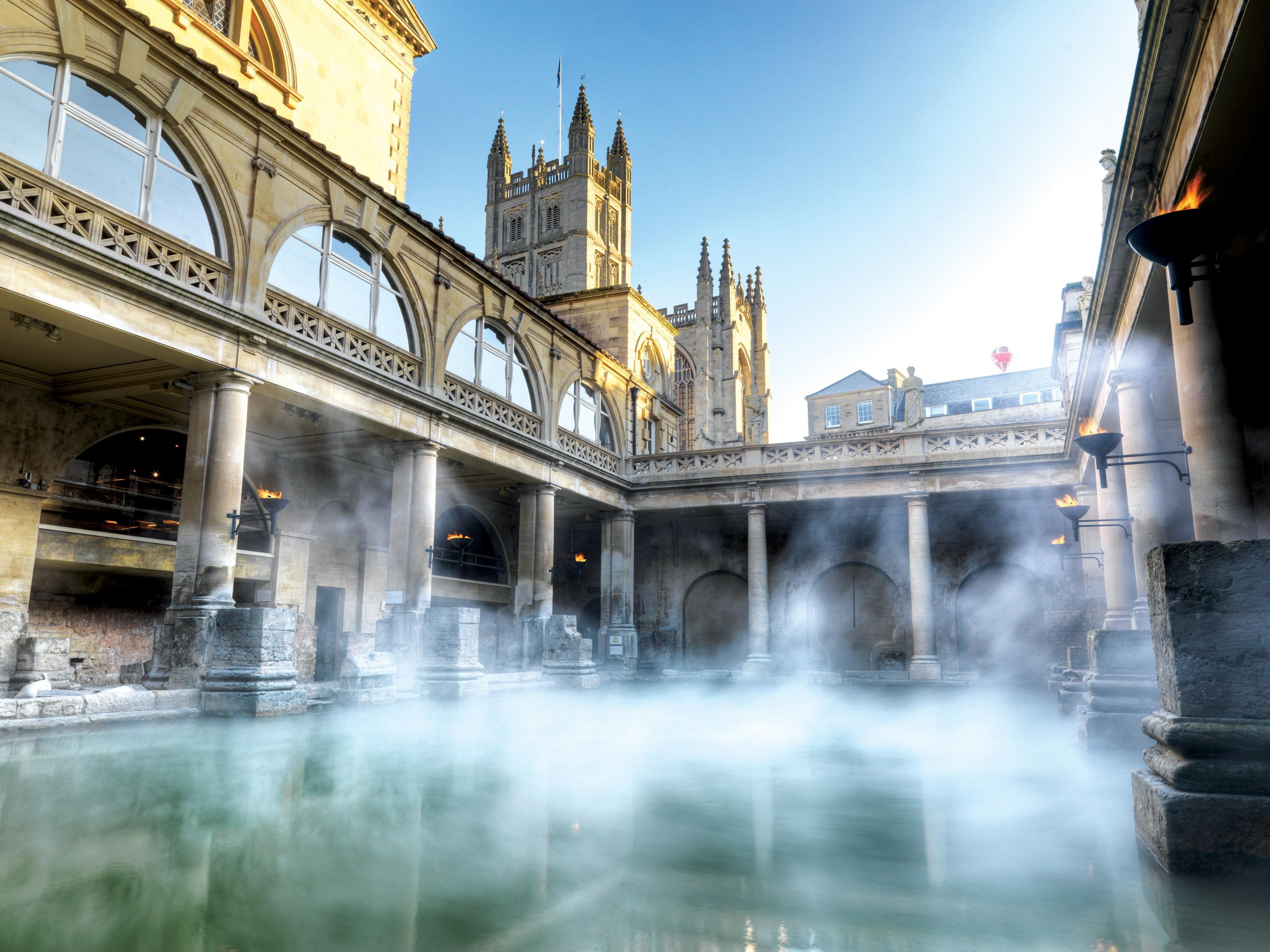
These sites complement each other; visitors seeking a landscape-focused prehistoric landmark often prefer Stonehenge, while those prioritizing urban historical immersion call the Roman Baths more engaging. Choosing a stonehenge tour from london provides a contrast to the dense, architectural detail found in Bath.
|
Top pick Stonehenge |
Roman Baths | |
|---|---|---|
| Experience Type | Prehistoric megalithic monument | |
| Archaeological Focus | Neolithic period burial and ritual | |
| Accessibility | Shuttle from visitor centre | |
| Walking Intensity | Moderate with grass paths | |
| Indoor vs Outdoor | Primarily outdoor | |
| See tickets & prices |
Verdict: Securing stonehenge tour from london tickets offers a unique encounter with ancient engineering, whereas visiting the Roman Baths allows for a deeper look at sophisticated classical infrastructure through stonehenge tour from london tour itineraries.
Hand-picked experiences loved by thousands of travelers
11 hours
Free Cancellation
Discover ancient mysteries and Georgian elegance on this full-day journey to two of England's treasures
11 hours
Free Cancellation
Journey to two UNESCO sites in one day: the enigmatic stone circle and Georgian Bath's thermal springs
6 hours
Free Cancellation
Visit the ancient stone circle on Salisbury Plain with coach transport and extended site access
12 hours
Free Cancellation
Uncover ancient mysteries at Stonehenge, then wander Georgian streets and Roman ruins in beautiful Bath
10 hours
Free Cancellation
Discover two of England's most iconic destinations on a comfortable full-day coach excursion
11 hours
Free Cancellation
Journey through England's ancient wonders and countryside charm on this intimate 11-hour escape from London
12 hours
Free Cancellation
Step inside the stone circle at sunrise or sunset, then explore Bath's Roman heritage and Lacock's medieval charm.
11 hours
Free Cancellation
Early access to England's iconic prehistoric monument, followed by a guided walk through Oxford's historic colleges
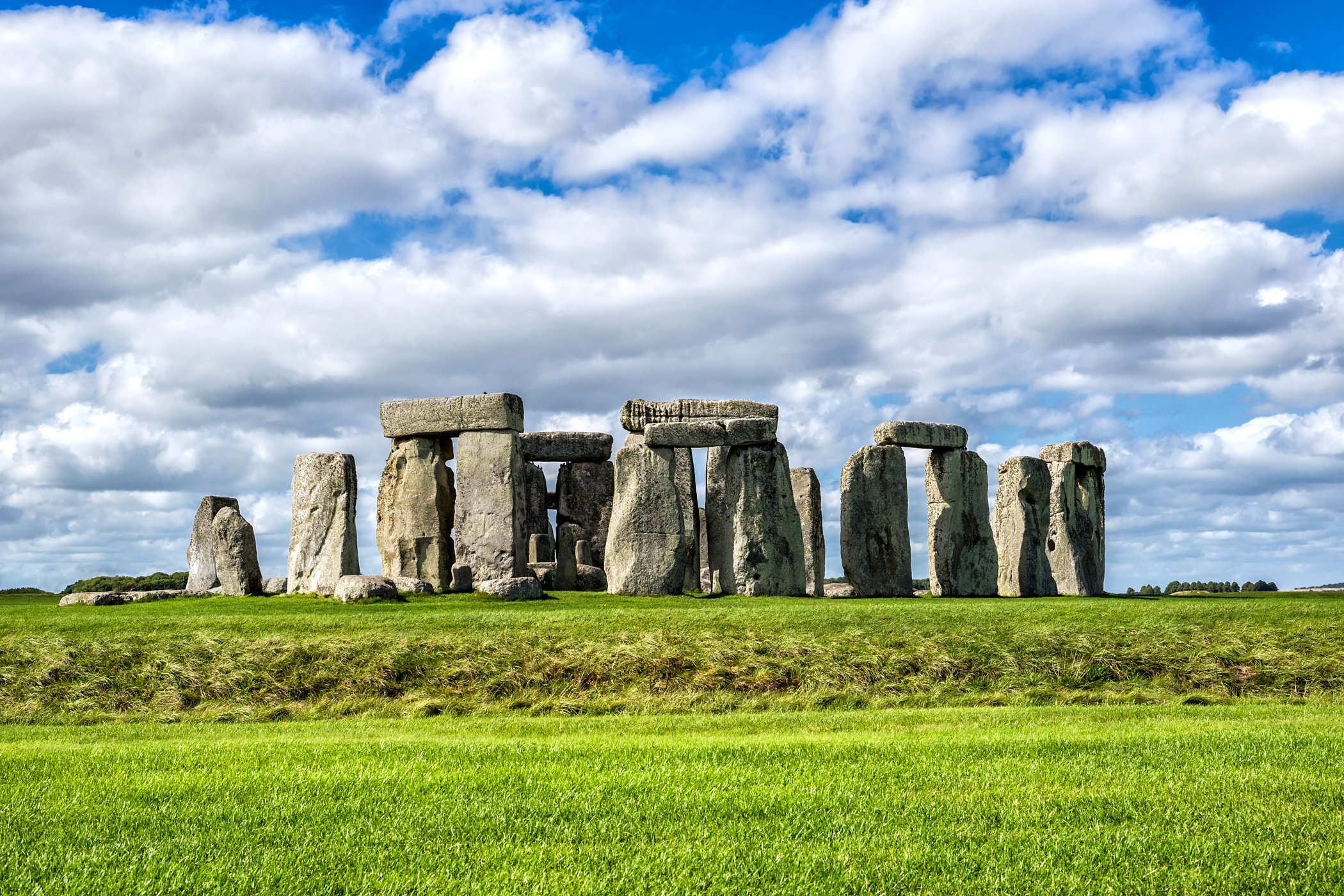
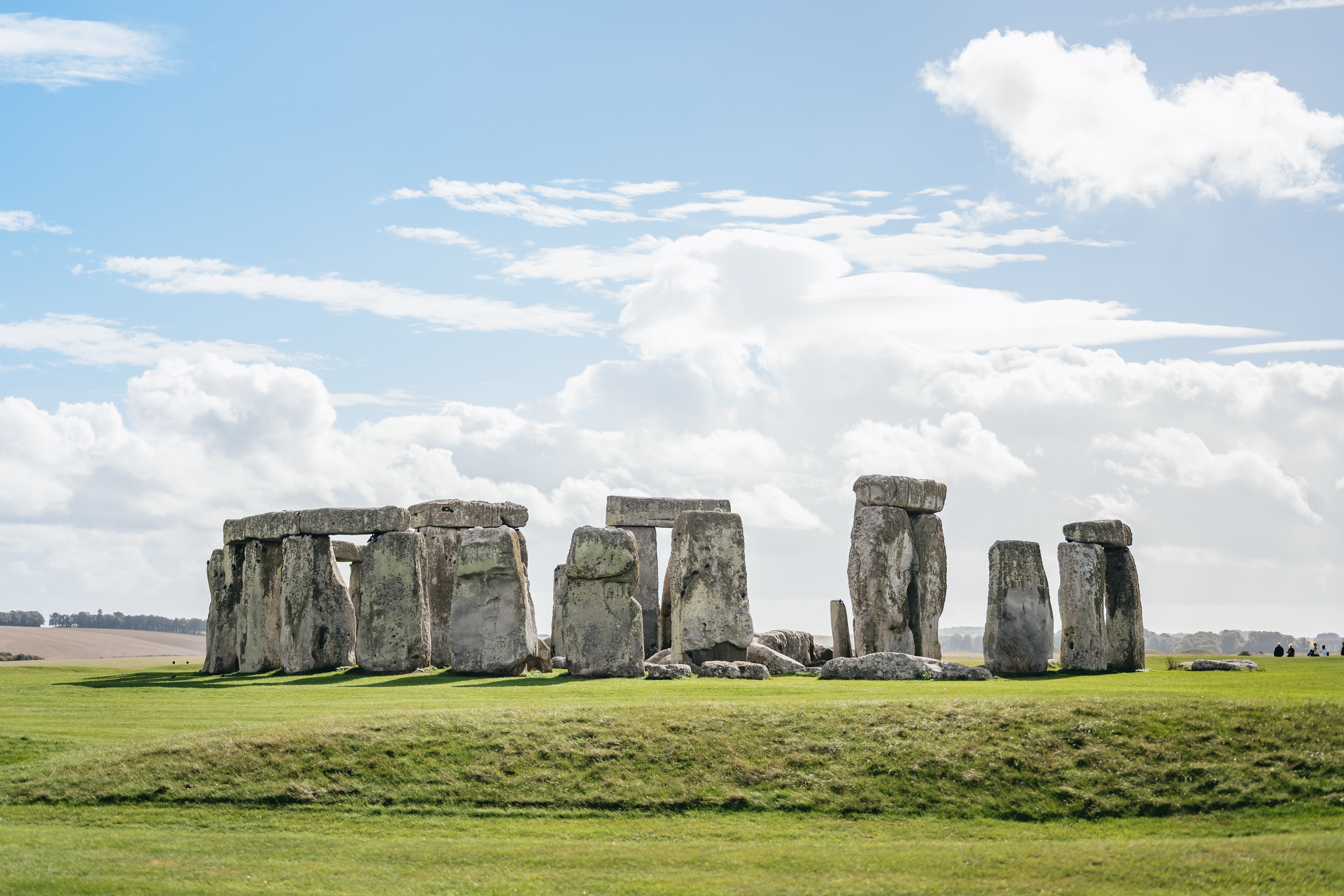
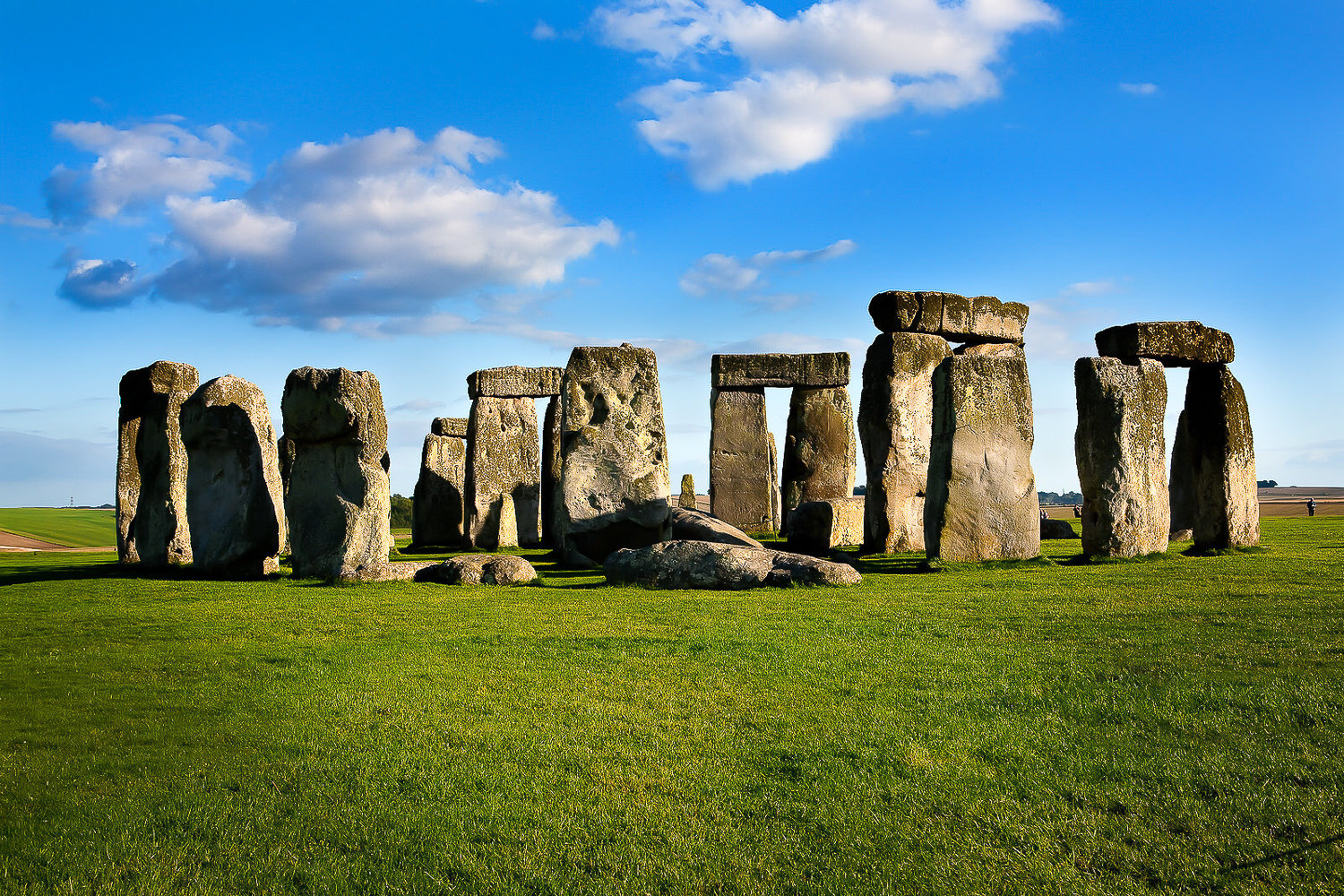
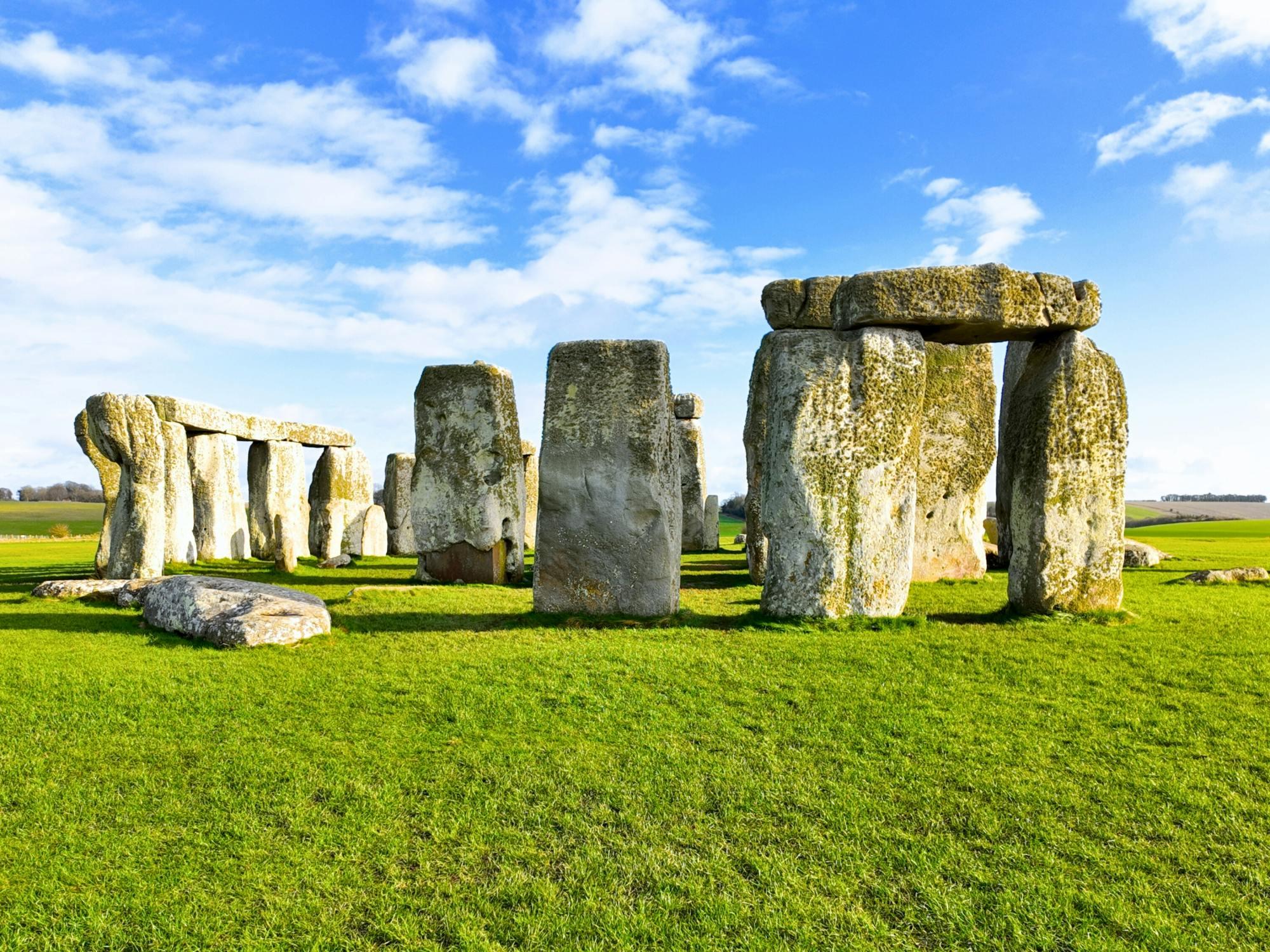
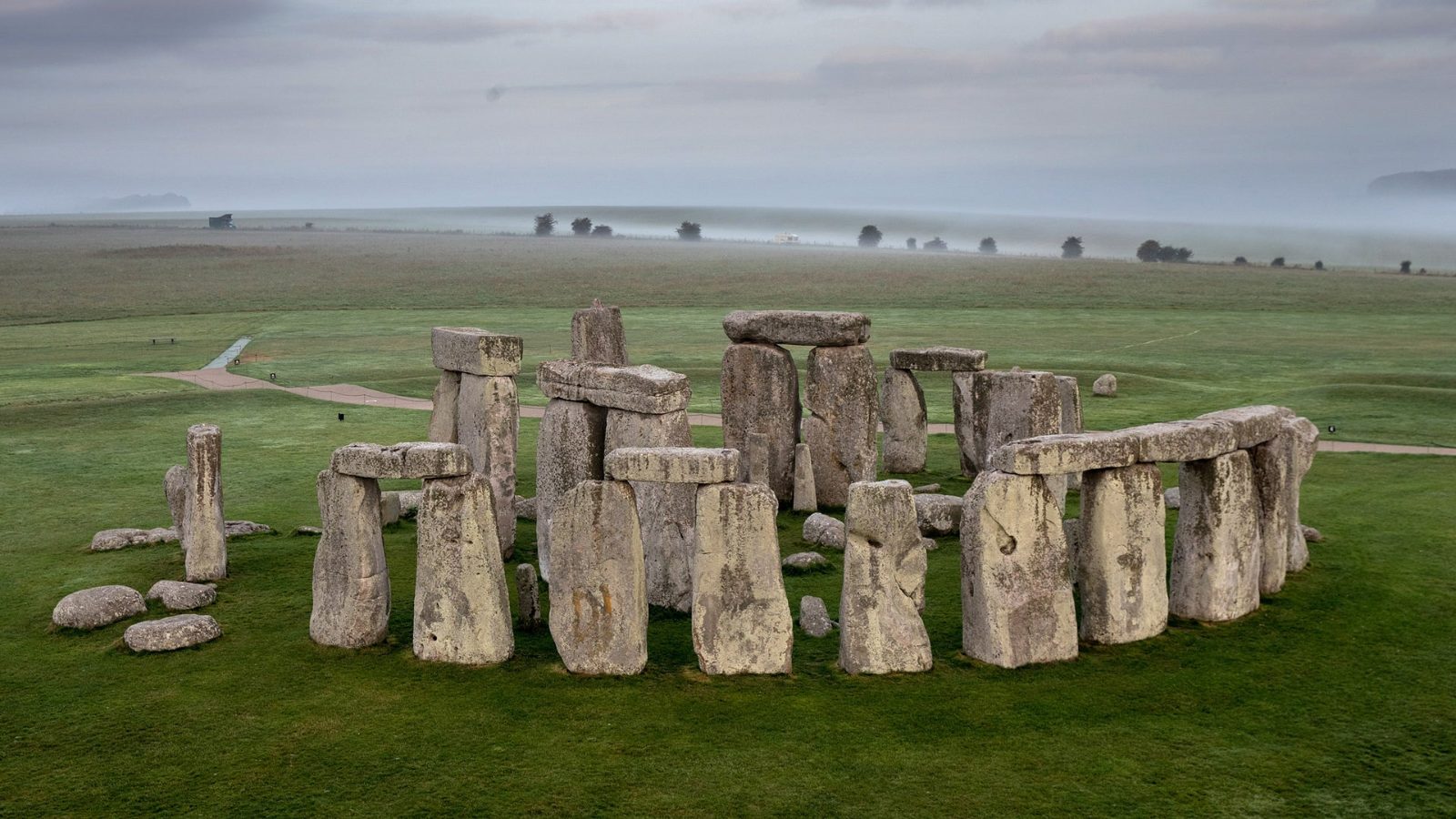
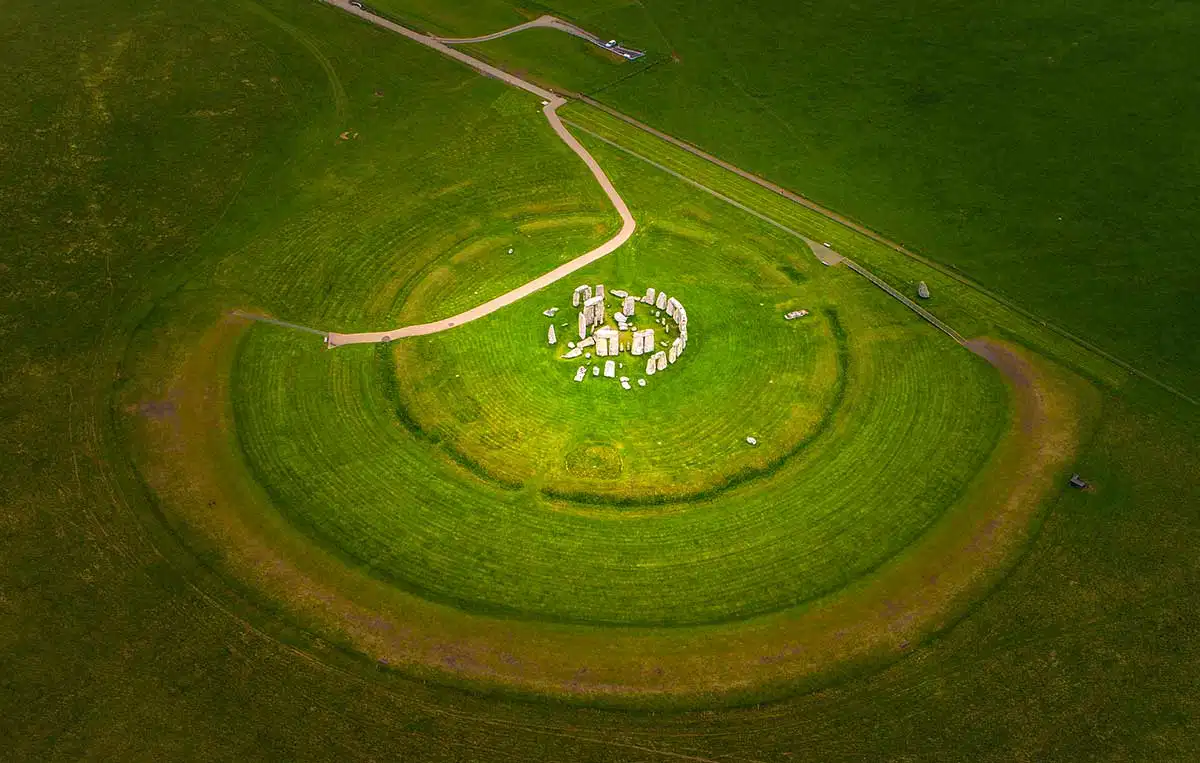
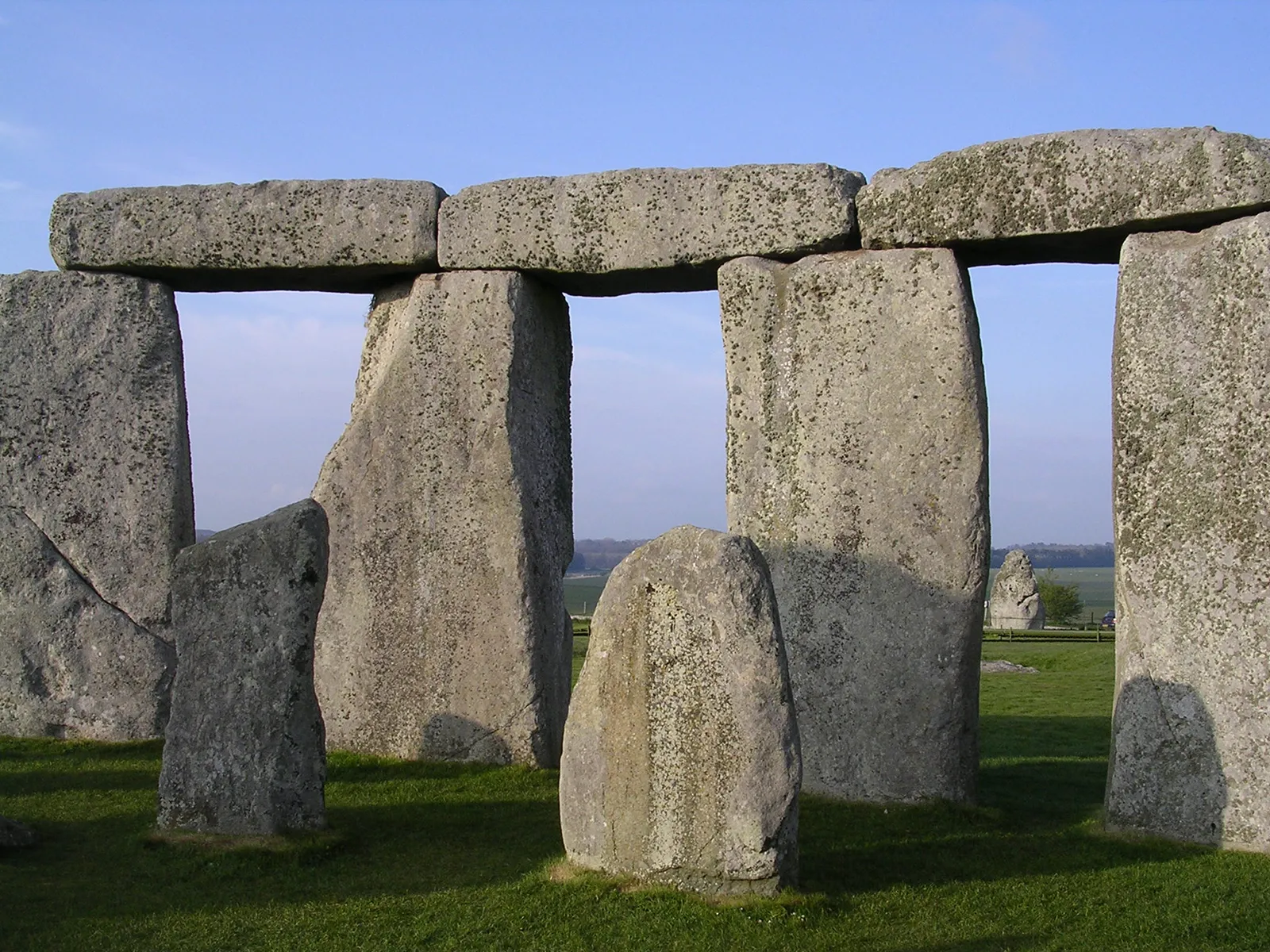
This 4,500-year-old monument consists of massive sarsen stones and smaller bluestones arranged in a precise circular pattern. The site's exact purpose remains a subject of intense archaeological debate.
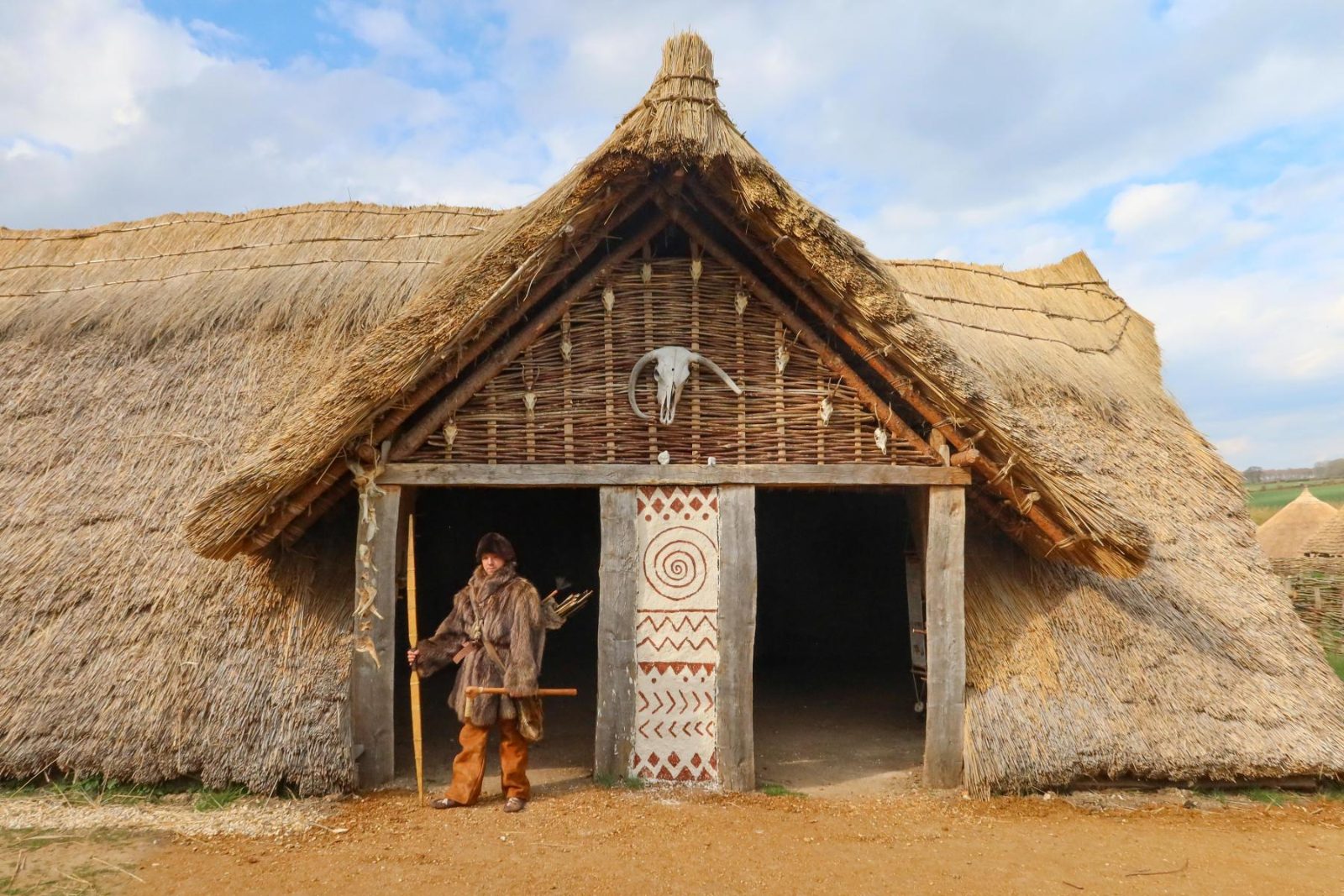
These are reconstructed dwellings based on archaeological evidence from Durrington Walls. They offer a rare glimpse into the daily lives of the people who built the site.
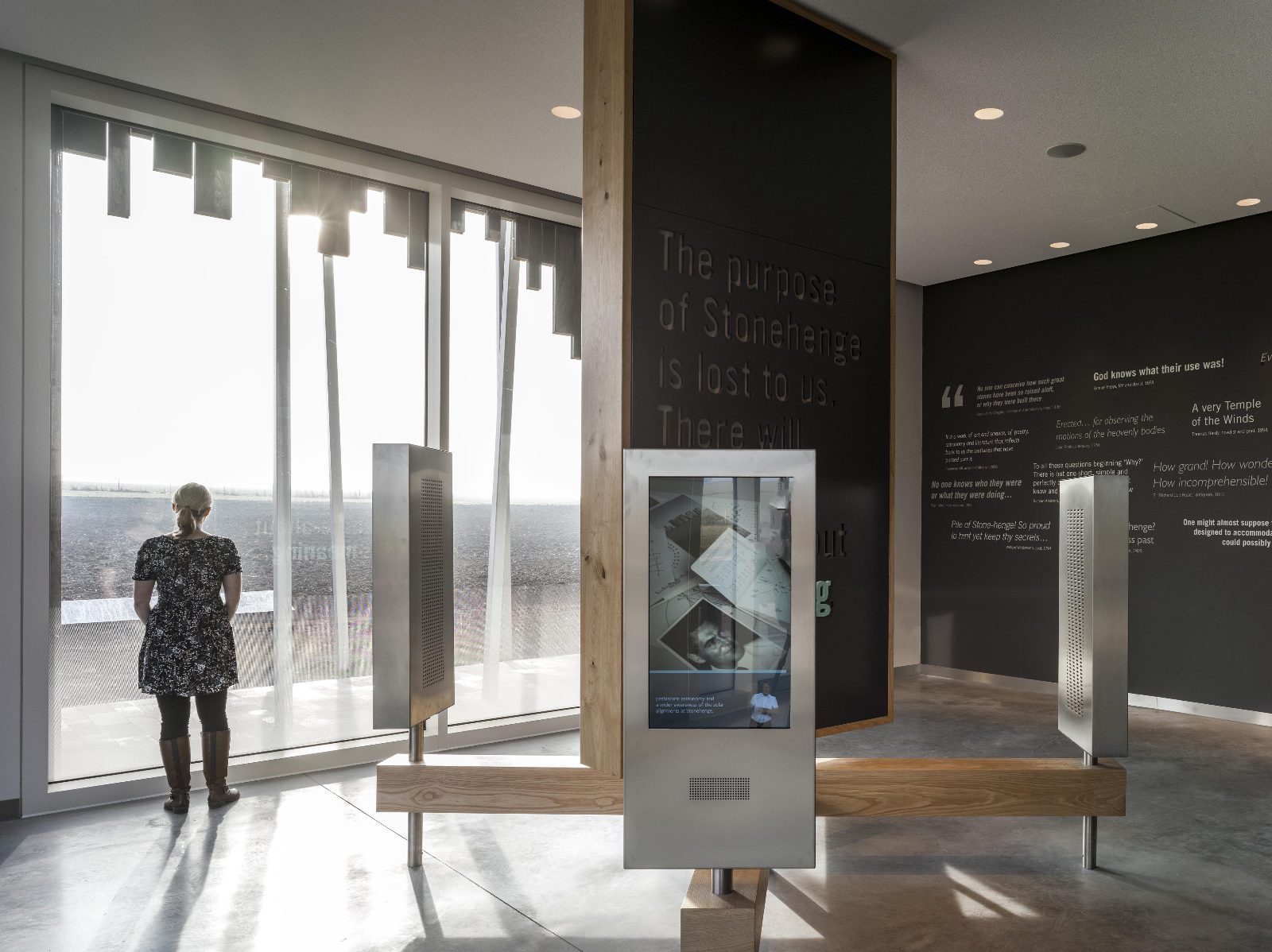
This state-of-the-art facility houses over 250 prehistoric objects and a powerful 360-degree virtual experience. It serves as the primary entrance for those on a stonehenge tour from london.
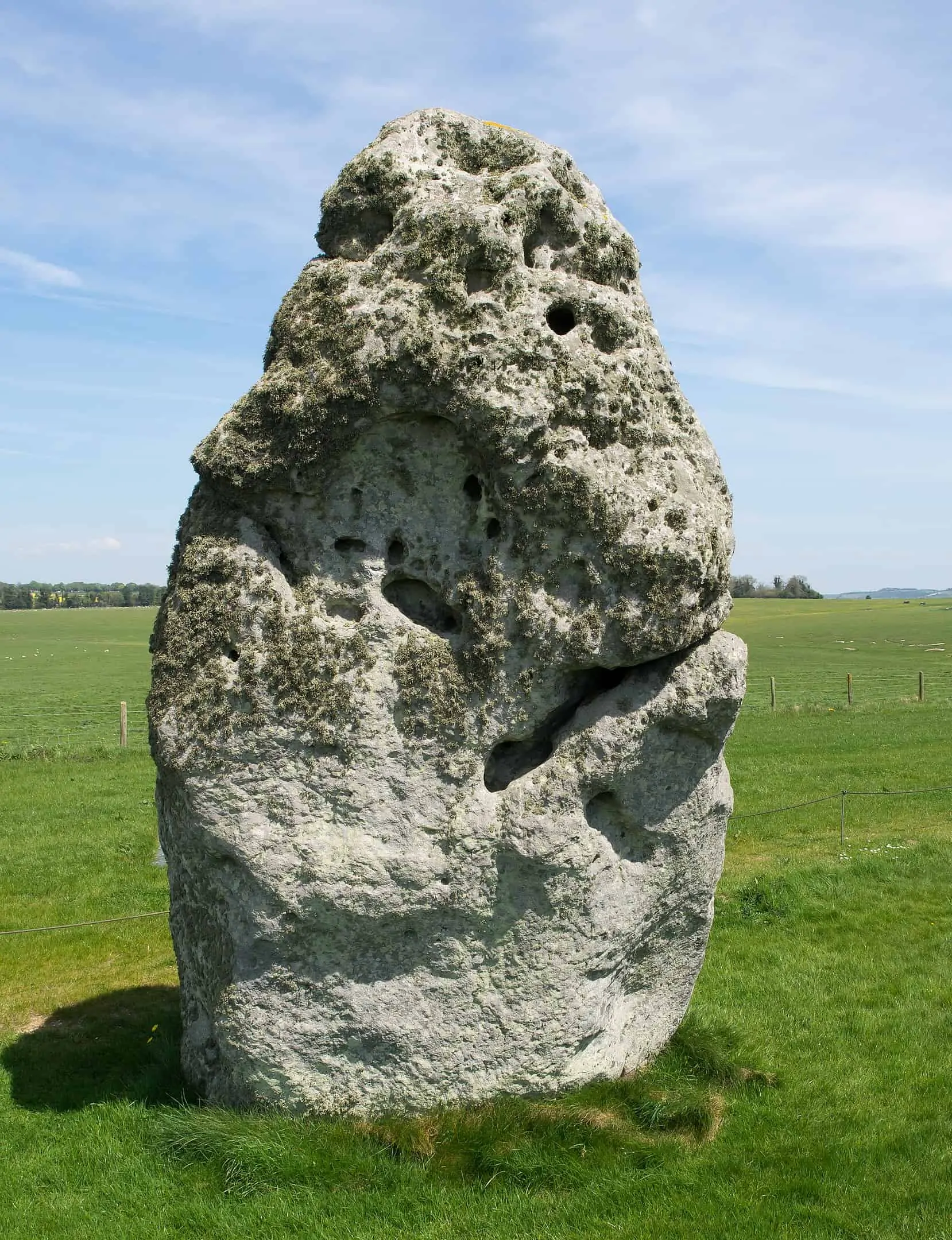
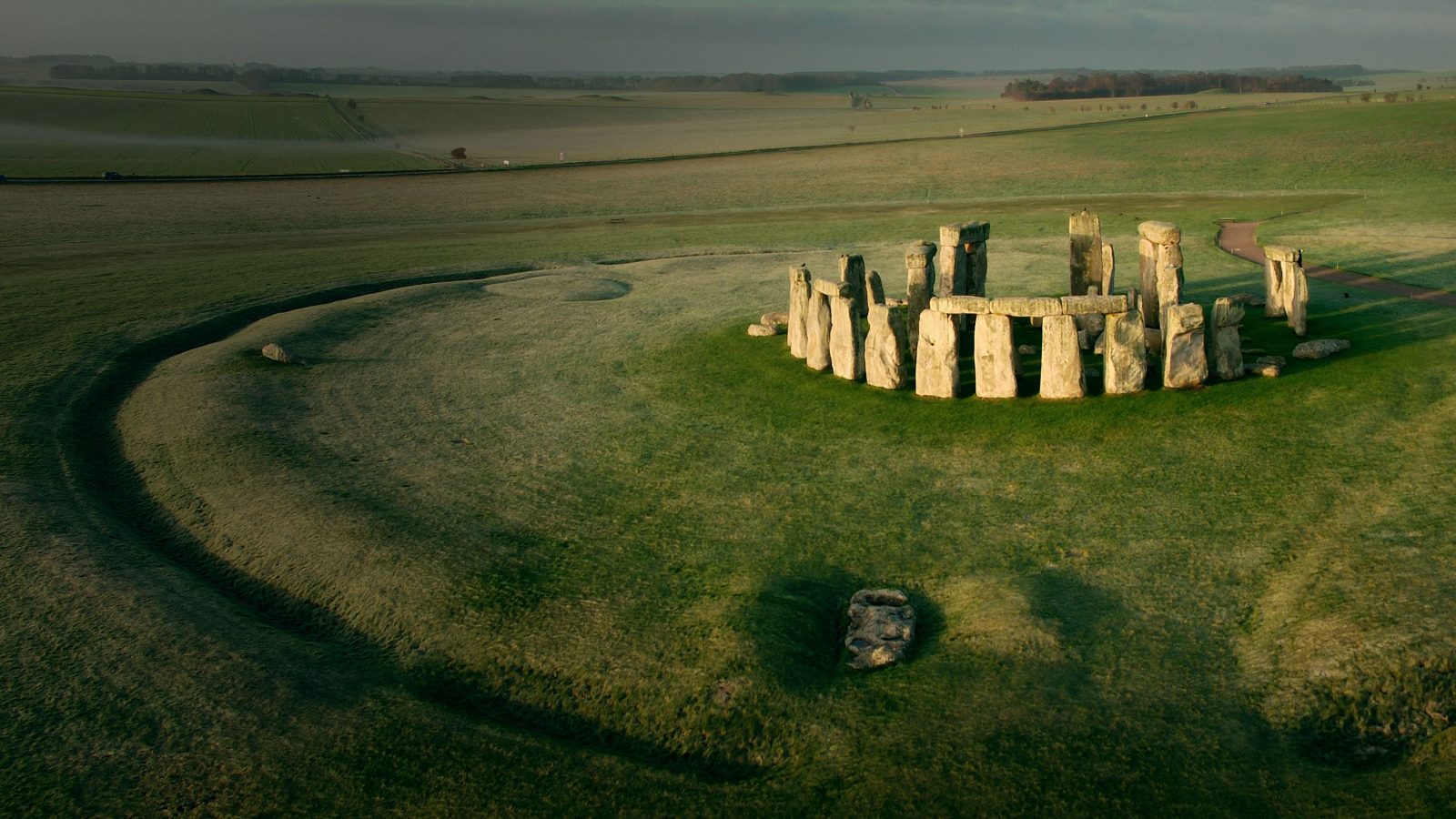
A massive, solitary block of sarsen stone standing outside the main circle. It marks the spot where the sun rises during the summer solstice.
This ancient processional route once connected the river Avon to the stones. It remains a key focus of ongoing landscape surveys at the World Heritage site.
You board the coach at Victoria at half-past seven, joining a stonehenge tour from london tickets group of thirty. The motorway cuts southwest through Surrey and Hampshire, then climbs onto Salisbury Plain ninety minutes later.
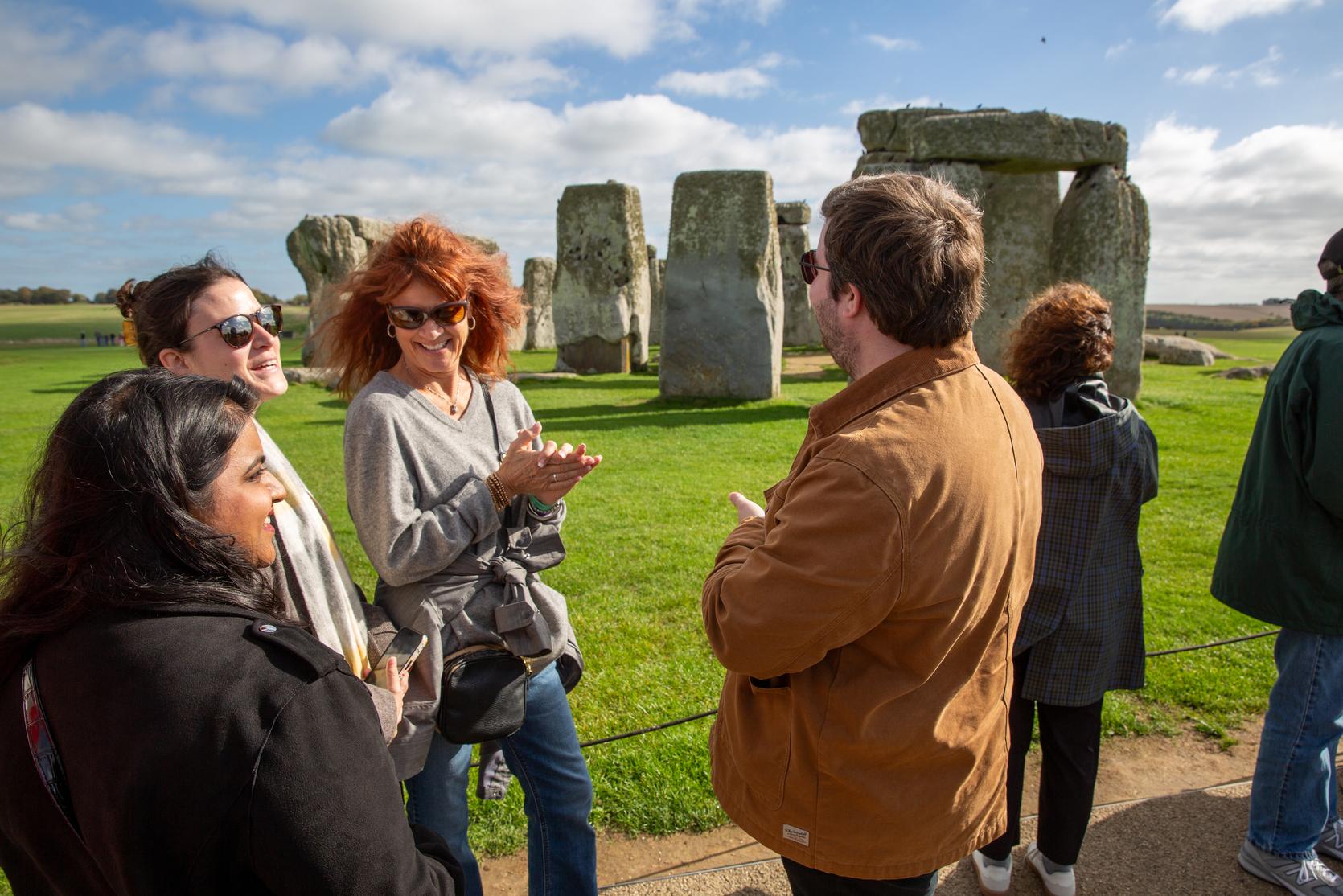
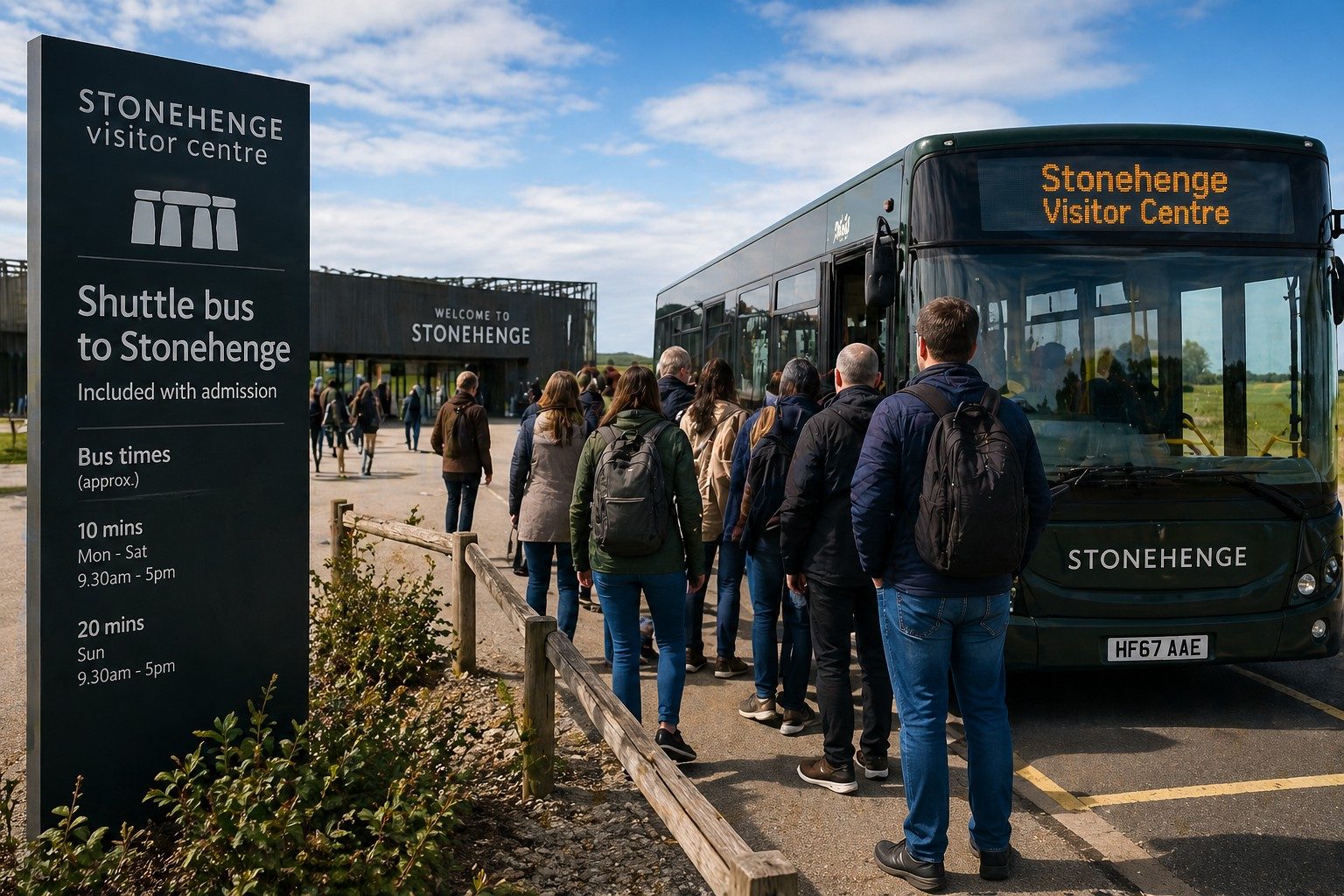
Your guide collects vouchers as the shuttle departs the visitor centre, rolling past barrows and earthworks invisible from the road. The stones appear suddenly — grey pillars against green downland, smaller than photographs suggest until you step off the shuttle and the scale resolves. Each sarsen block rises thirteen feet, tapering slightly toward the sky.
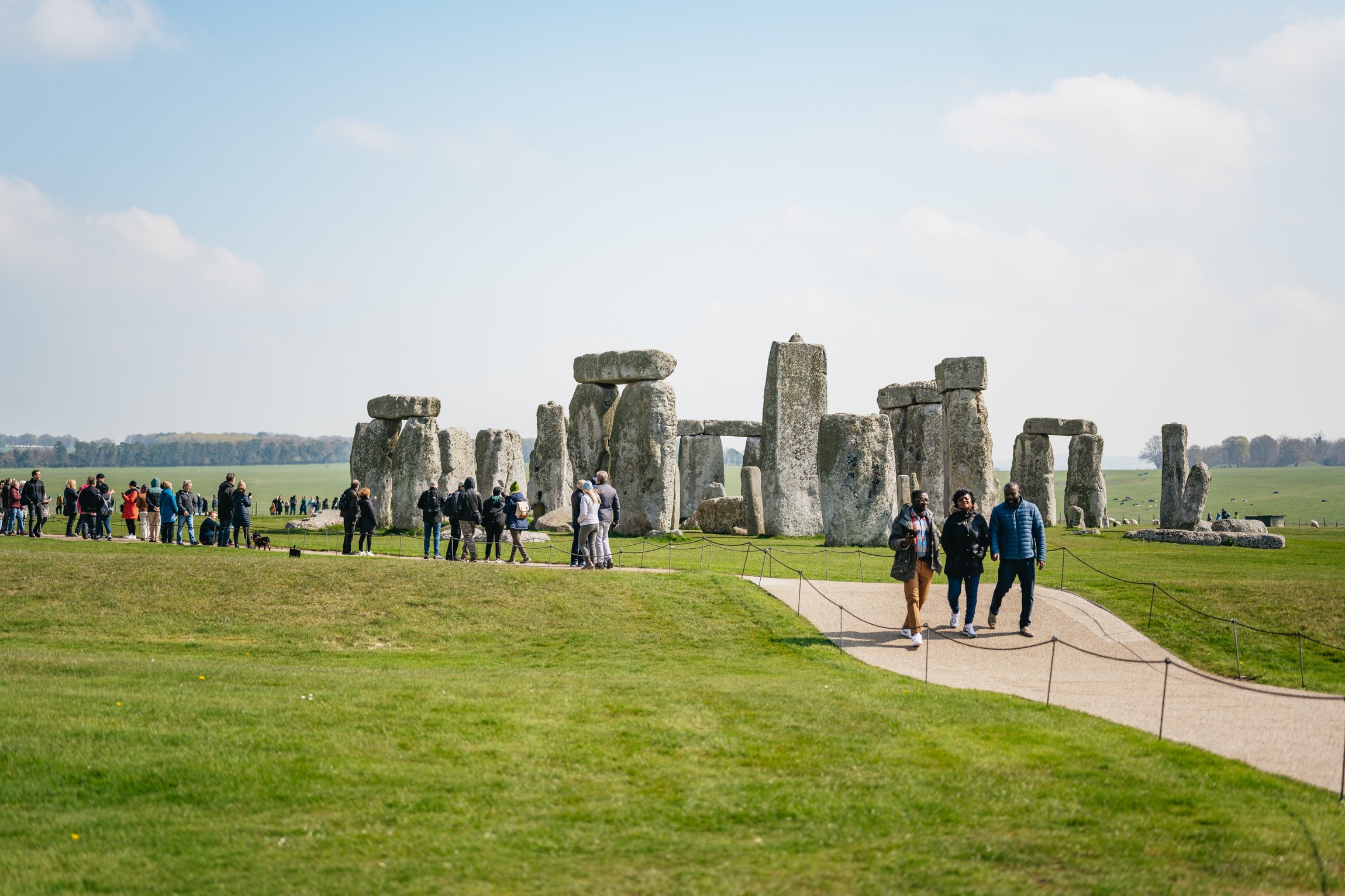
You follow the gravel path clockwise around the perimeter. At the northeast entrance, the Heel Stone stands alone outside the earthwork bank, marking the midsummer sunrise line. Rooks circle overhead. The lintels still capping five of the outer trilithons show the curve their builders carved to follow the original circle — a refinement no ground-level observer would notice but one that confirms the precision behind the monument. The audio guide cycles through theories: astronomical observatory, healing temple, ancestor shrine. No single answer fits all the evidence. You pause at the southernmost point, where two fallen sarsens lie in the grass like toppled dominoes, and a family from Toulouse photographs the uprights against fast-moving cloud.
The return shuttle stops at the reconstructed houses. Inside, smoke from a central hearth blackens the thatch. A flint-knapping demonstration runs until four. You rejoin the coach at half-past three, reaching London before the evening rush.
All the details about your upcoming adventure in one place
A stonehenge tour from london connects you with England's most famous Neolithic monument, a UNESCO World Heritage Site on Salisbury Plain. Most stonehenge tour from london tickets include round-trip coach transport, audio guides at the stone circle, and access to the visitor centre exhibiting 5,000-year-old artifacts. Departure points cluster around Victoria, King's Cross, and Paddington, with journeys covering approximately 90 miles each way through the Wiltshire countryside.
Thirty sarsen stones stand upright on Salisbury Plain, each weighing twenty-five tonnes and quarried from Marlborough Downs twenty miles north.
Their smaller cousins, the bluestones, travelled one hundred and forty miles from the Preseli Hills in Wales — a feat that required river rafts, timber sledges, and four centuries of continuous construction between 3000 and 1600 BCE. No mortar binds the lintels to their uprights. Bronze Age engineers carved protruding tenons on each vertical pillar and matching mortise sockets in the horizontal caps, then lifted the lintels into place using earthen ramps and timber scaffolding. The result is a monument that has outlasted empires, religions, and languages.
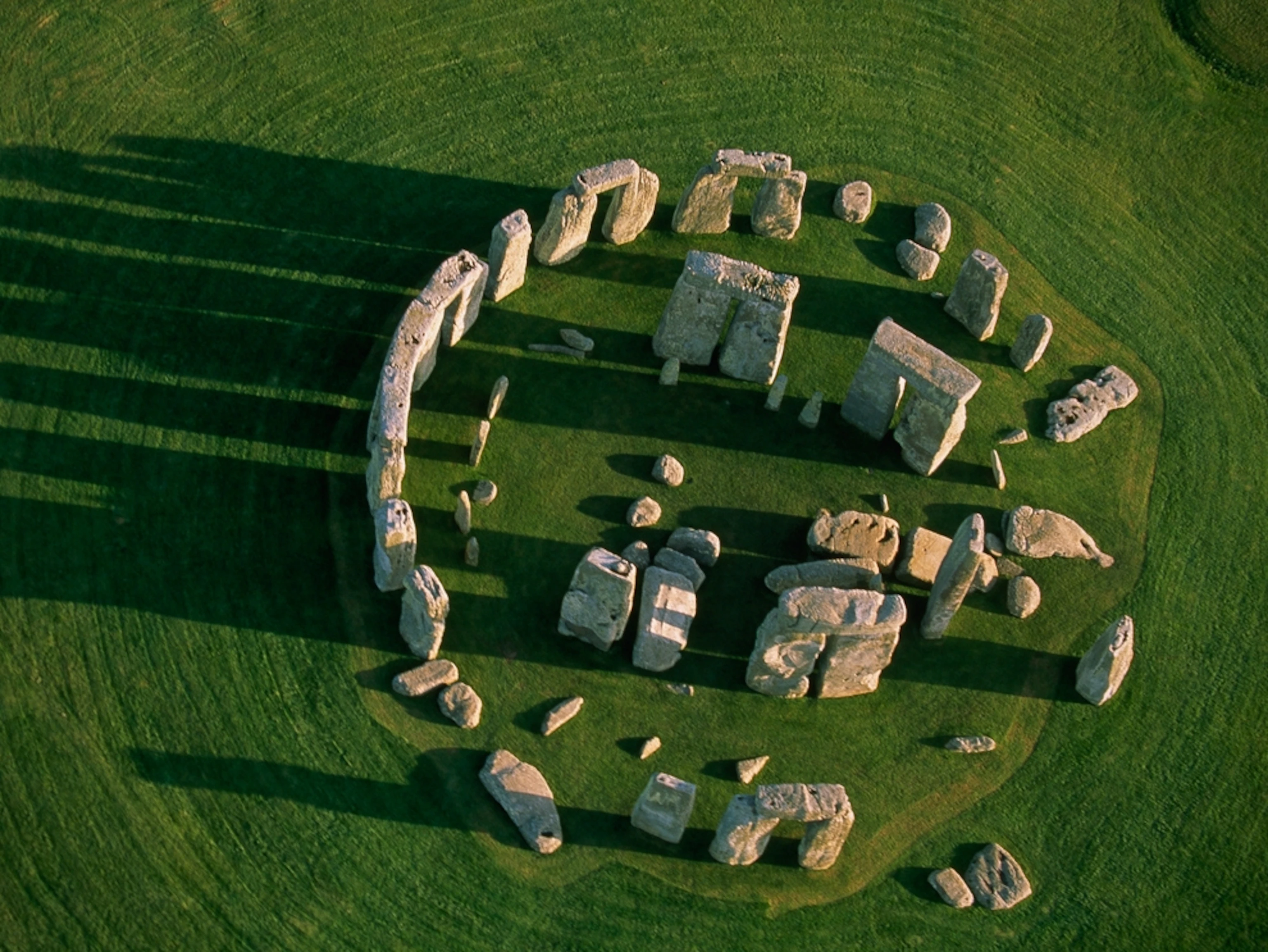
Today Stonehenge draws more than one million visitors each year, most arriving on a stonehenge tour from london that departs Victoria Coach Station or King's Cross in the early morning. The site sits within the five-thousand-acre Stonehenge and Avebury World Heritage landscape, managed by English Heritage since 1984. The outer bank and ditch — the earliest phase of construction — enclose a diameter of three hundred feet. Inside, the iconic sarsen trilithons form a horseshoe open to the northeast, aligned with the midsummer sunrise. At winter solstice, the sun sets along the same axis in reverse. Archaeological evidence confirms that Neolithic communities gathered here for seasonal ceremonies, depositing cremated remains in the Aubrey Holes that ring the inner perimeter. Recent excavations at nearby Durrington Walls uncovered timber post-holes and pottery shards, suggesting a settlement of two thousand people supported the monument's builders.
The visitor centre, opened in 2013, stands one and a half miles from the stones. Interactive galleries display five hundred artifacts, including stone axes, antler picks, and a reconstructed Neolithic house with wattle-and-daub walls. A fifteen-minute shuttle ferries guests to the monument itself, though many choose the footpath across chalk grassland dotted with skylarks and hares. Rope barriers keep visitors fifteen yards from the sarsen circle except during special access tours, which admit thirty guests at dawn for a ninety-minute walk among the trilithons. The English Heritage Trust manages these pre-bookable sessions separately from standard admission. Conservation protocols prohibit touching the stones; lichen colonies on the sarsen surfaces are three thousand years old and as fragile as the monument they inhabit.

No mortar binds the lintels to their uprights — Bronze Age engineers carved protruding tenons on each vertical pillar and matching mortise sockets in the horizontal caps.
The site is exposed to the elements on Salisbury Plain, so dress warmly and bring layers. Sturdy, comfortable walking shoes are essential for the paths around the megaliths.
Standard backpacks are permitted, but large luggage should be avoided as there is limited storage. Security checks may be in place at the visitor centre entrance.
Photography is encouraged for personal use throughout the site. Commercial filming or the use of tripods requires prior written permission from English Heritage.
The visitor centre features interactive exhibits and reconstructed Neolithic houses which are highly engaging for younger visitors. The shuttle bus provides a convenient way for children to reach the stone circle without tiring.
Stonehenge provides accessible parking and wheelchair-friendly shuttle buses. The visitor centre is fully accessible, and the monument path is maintained to support mobility needs.
A café is located at the visitor centre serving hot meals, snacks, and beverages. Picnic areas are available near the car park for those who bring their own refreshments.
Opening hours
09:30–17:00
Address
Salisbury, Wiltshire, SP4 7DE, United Kingdom
Accessibility
Full site access including shuttle and visitor centre
Best arrival window
09:30–15:00
Phone
+44 370 333 1181
Official site
https://www.english-heritage.org.uk/visit/places/stonehenge/
Public transport · 90–120 mins · Approx 40–50 GBP
Take a direct train from London Waterloo to Salisbury, then catch the dedicated shuttle bus from the station.
Car · 120 mins · Free for ticket holders
Follow the A303 or A360, using the postcode SP4 7DE for navigation.
Tickets offer free cancellation up to the day before your visit. The entrance fee is 32 GBP (standard adult gate price including visitor centre and shuttle).
Recommended time
2 hours
A standard stonehenge tour from london requires approximately two hours to fully explore the visitor centre, the Neolithic houses, and the stone circle itself. You should account for the shuttle bus ride that transports visitors from the exhibition area to the monument. Arriving during the recommended window helps you bypass the largest coach groups, while securing your stonehenge tour from london tickets in advance streamlines entry. Those using stonehenge tour from london tours often find that mid-morning arrival offers the most efficient flow through the UNESCO World Heritage site.
Crowd levels through the day
Weather · crowds · average price — dots go green to amber to red as each metric rises.
Mild weather and blooming landscape make for pleasant walking conditions. April and May are ideal for avoiding the peak summer holiday rush.
Longer days allow for later visits, though this is the busiest period. Plan for crowds if booking a stonehenge tour from london during July or August.
Cooler temperatures and beautiful light provide excellent conditions for photography. September and October are often quieter than the summer months.
The most peaceful time to experience the ancient stones. Temperatures are lower, but the site is much less crowded and offers a dramatic atmosphere.
Always book your stonehenge tour from london tickets ahead of time to secure your preferred slot and save money. You cannot rely on gate availability during peak season.
Many miss the Neolithic houses and museum at the visitor centre. Give yourself at least an hour to truly appreciate the history here.
The walk is 2km; save your energy for the monument by taking the shuttle bus. It is included in your standard admission fee.
The site is on an open plain with little cover. A light waterproof jacket is a must regardless of the forecast.
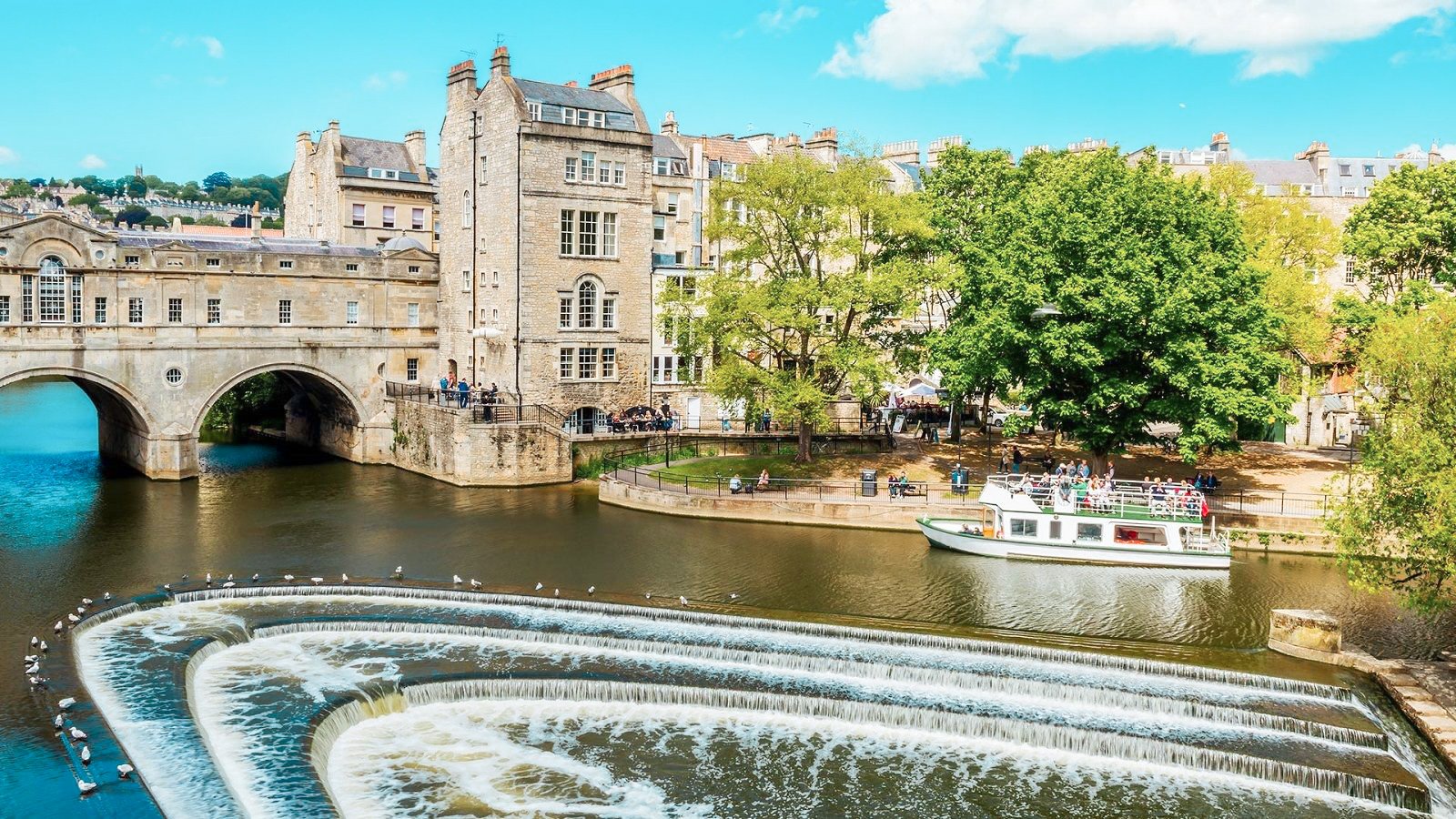
A stonehenge tour from london is often paired with a stop in Bath. Check your itinerary to ensure you have enough time at both locations.
South Western Railway station
Main hub for connecting buses to the site.
Get directionsStonehenge rose in stages across fifteen centuries, each phase marking a shift in ambition and engineering. Around 3000 BCE, Neolithic communities dug the first circular earthwork—a henge ditch and bank enclosing fifty-six pits now called the Aubrey Holes, likely used for timber posts or cremation deposits. This earliest monument predates the iconic stones by five hundred years and anchored the site as a ritual centre long before the sarsen trilithons arrived. The transformation began around 2500 BCE when builders hauled eighty-two bluestones—each weighing up to four tonnes—from the Preseli Hills in southwest Wales, a distance of at least 240 kilometres. Whether transported overland or by raft remains contested, but their arrival signalled a monumental undertaking for communities without wheeled vehicles or metal tools. The defining phase unfolded around 2400 BCE with the erection of the sarsen circle and the five great trilithons. Sarsen blocks, some weighing twenty-five tonnes, were dragged from the Marlborough Downs twenty-four kilometres north, shaped with stone mauls, and joined using mortise-and-tenon carpentry adapted from woodworking traditions. The outer circle comprised thirty uprights capped by lintels curved to follow the arc—a feat of precision that required levelling the ground and calibrating stone heights to account for the site's natural slope. The central horseshoe of five trilithons, rising to seven metres, framed sightlines toward the midsummer sunrise and midwinter sunset, embedding astronomical alignments into the architecture. Purpose remains debated: interpretations range from a healing sanctuary and ancestor shrine to an astronomical calendar and a unifying monument for dispersed tribal groups. Excavations in the twentieth century revealed cremated remains of at least sixty-three individuals, suggesting Stonehenge functioned as an elite necropolis for centuries. Today, many stonehenge tour from london visitors witness the summer solstice alignment firsthand, a tradition revived in modern times. The site endures as Europe's most studied prehistoric monument, its construction saga a testament to sustained communal labour and the enigmatic cosmology of its builders. For those booking stonehenge tour from london tickets, the layers of mystery and engineering ingenuity remain as compelling as the stones themselves.
Neolithic communities dig the circular henge earthwork and fifty-six Aubrey Holes, establishing the site as a ritual enclosure.
Eighty-two bluestones are transported from the Preseli Hills in Wales, marking the monument's first stone phase.
Sarsen trilithons and the outer circle are erected using blocks weighing up to twenty-five tonnes, shaped and jointed with stone tools.
Bluestones are rearranged into the inner horseshoe and oval configurations, refining the monument's astronomical geometry.
Antiquarian John Aubrey documents the site and identifies the outer pits later named after him, sparking early archaeological inquiry.
Site is gifted to the nation by Cecil Chubb, ensuring public access and state protection after centuries of private ownership.
Stonehenge is inscribed as a UNESCO World Heritage Site, recognising its outstanding universal value and prehistoric significance.
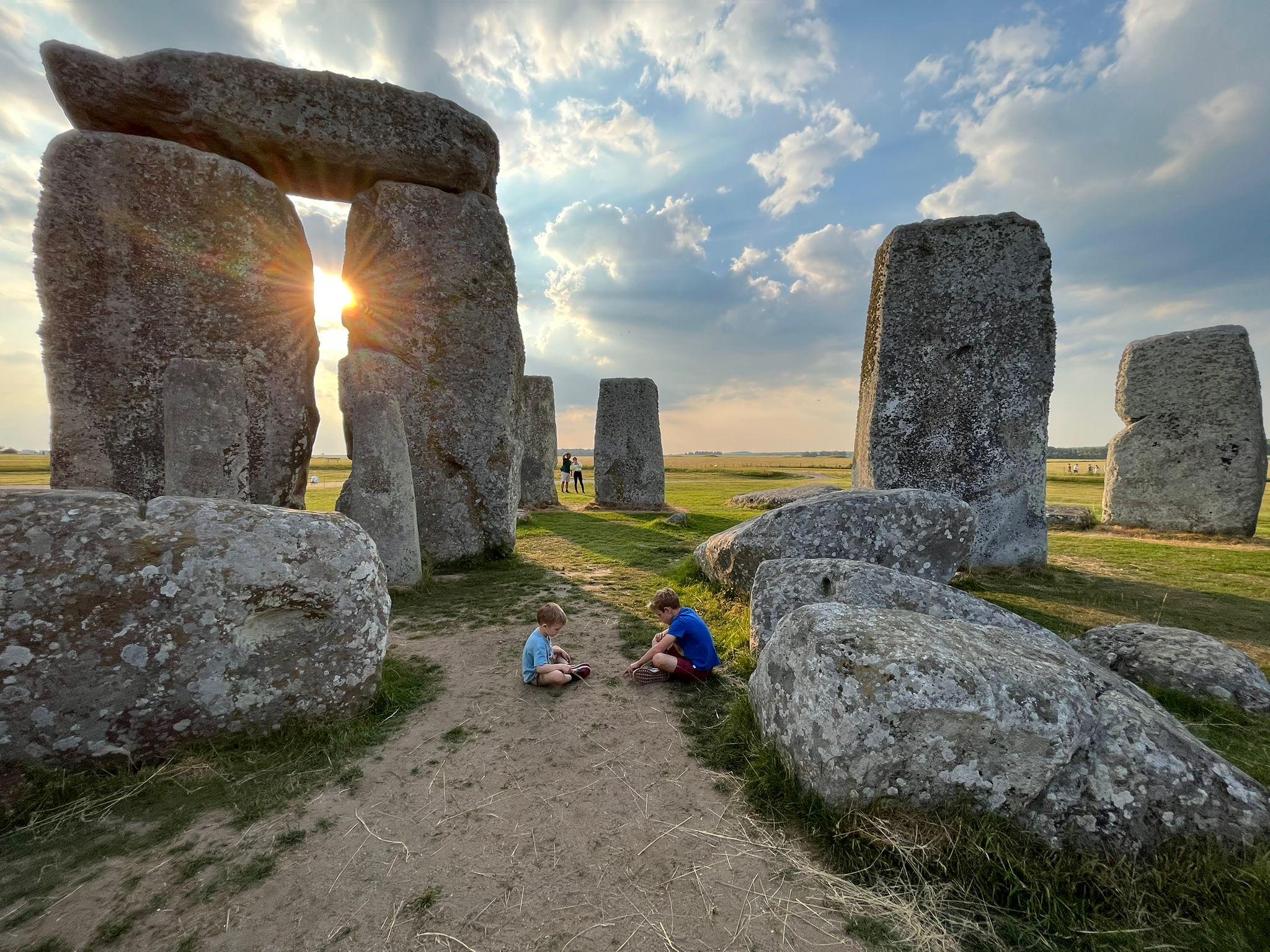
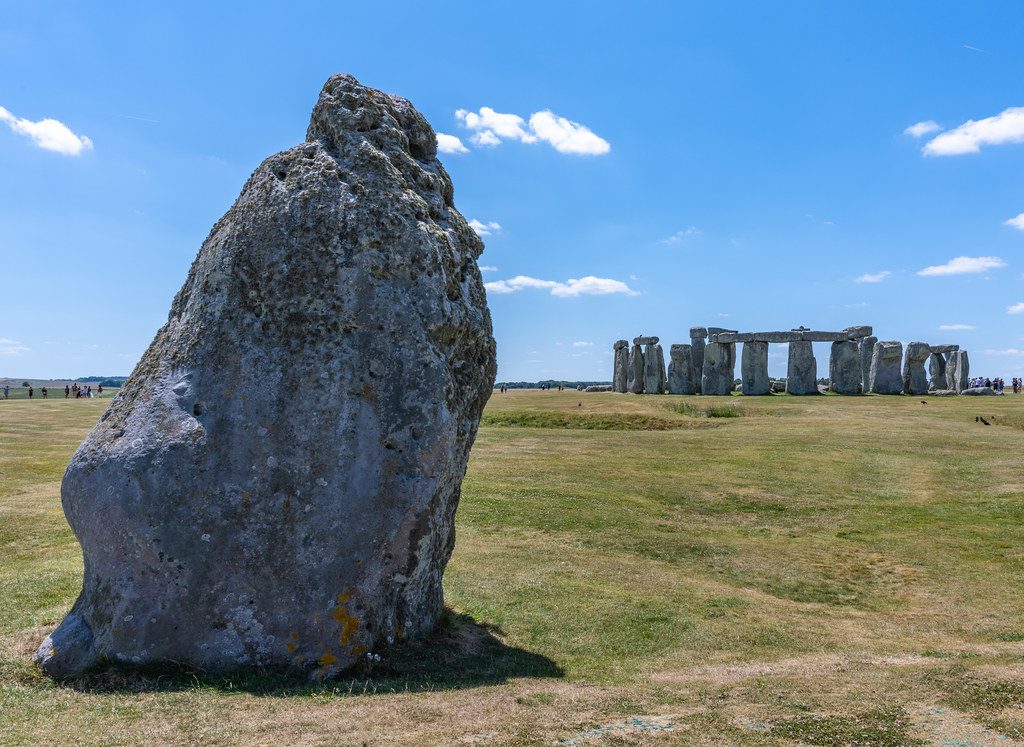
Position yourself near the start of the public path to capture this isolated sarsen stone framed against the main circle. This angle provides a sense of scale and ancient orientation.
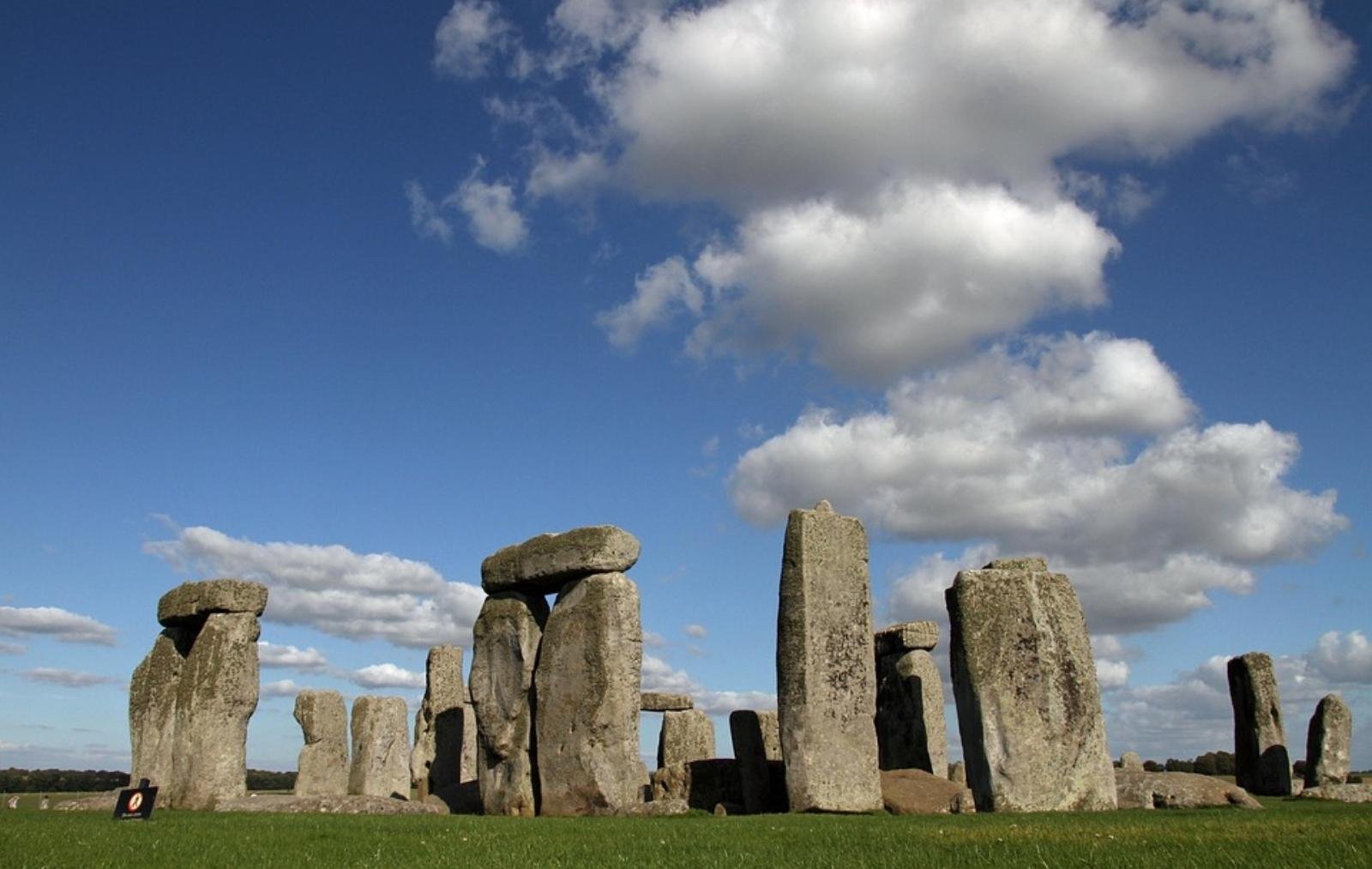
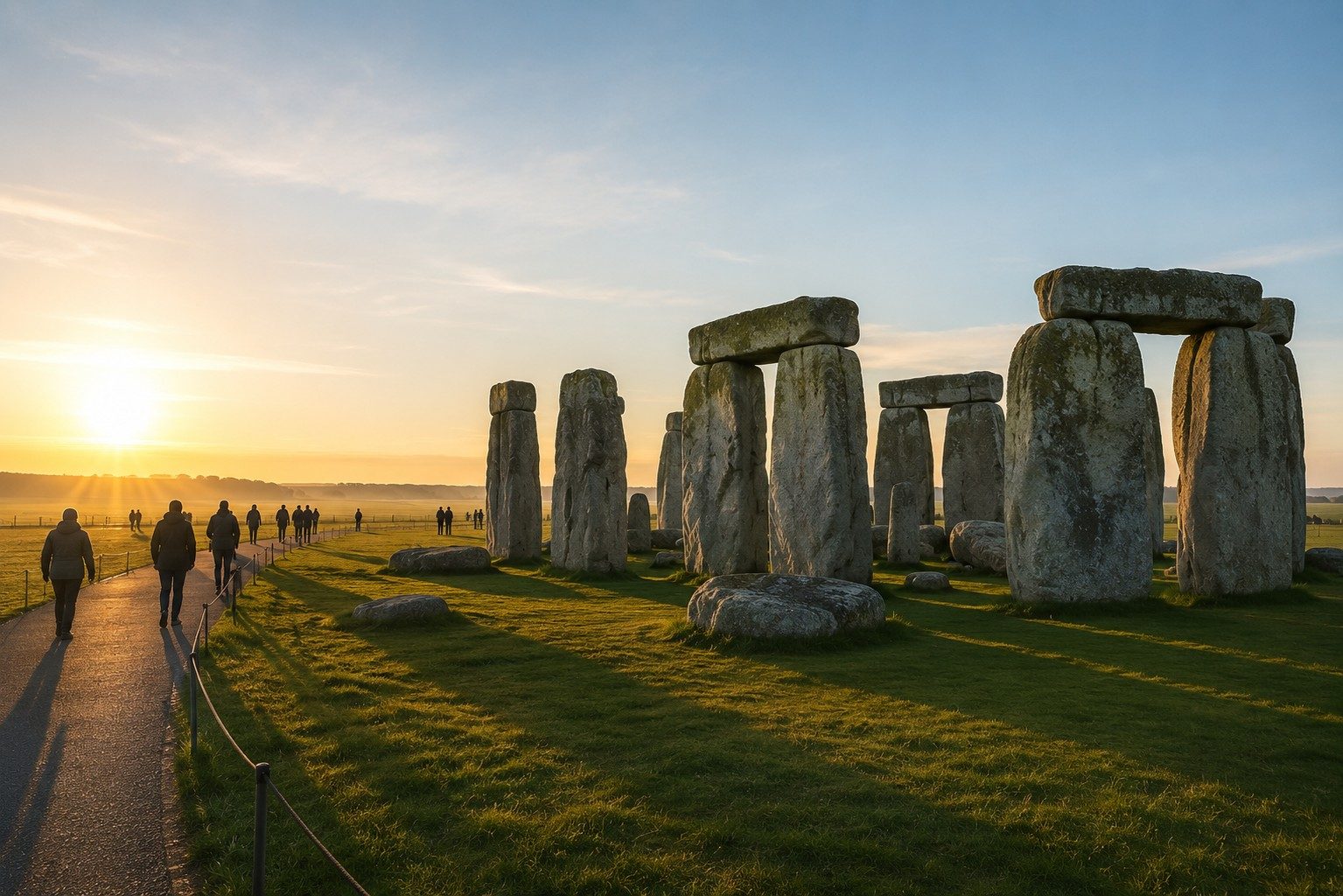
Walk along the designated perimeter path to secure an unobstructed shot of the full monument silhouette. Most visitors use this perspective to frame the lintels against the open Wiltshire sky.
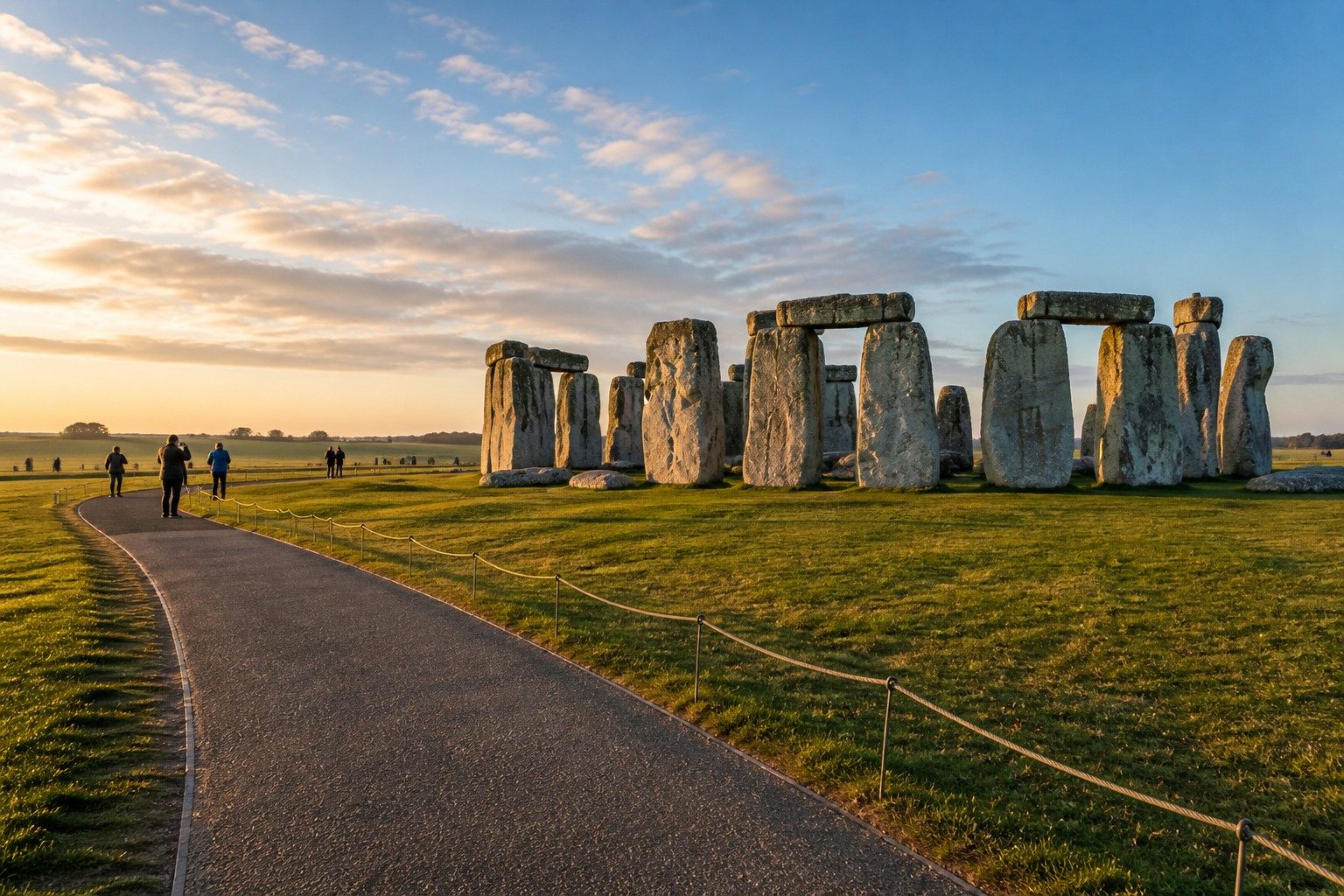
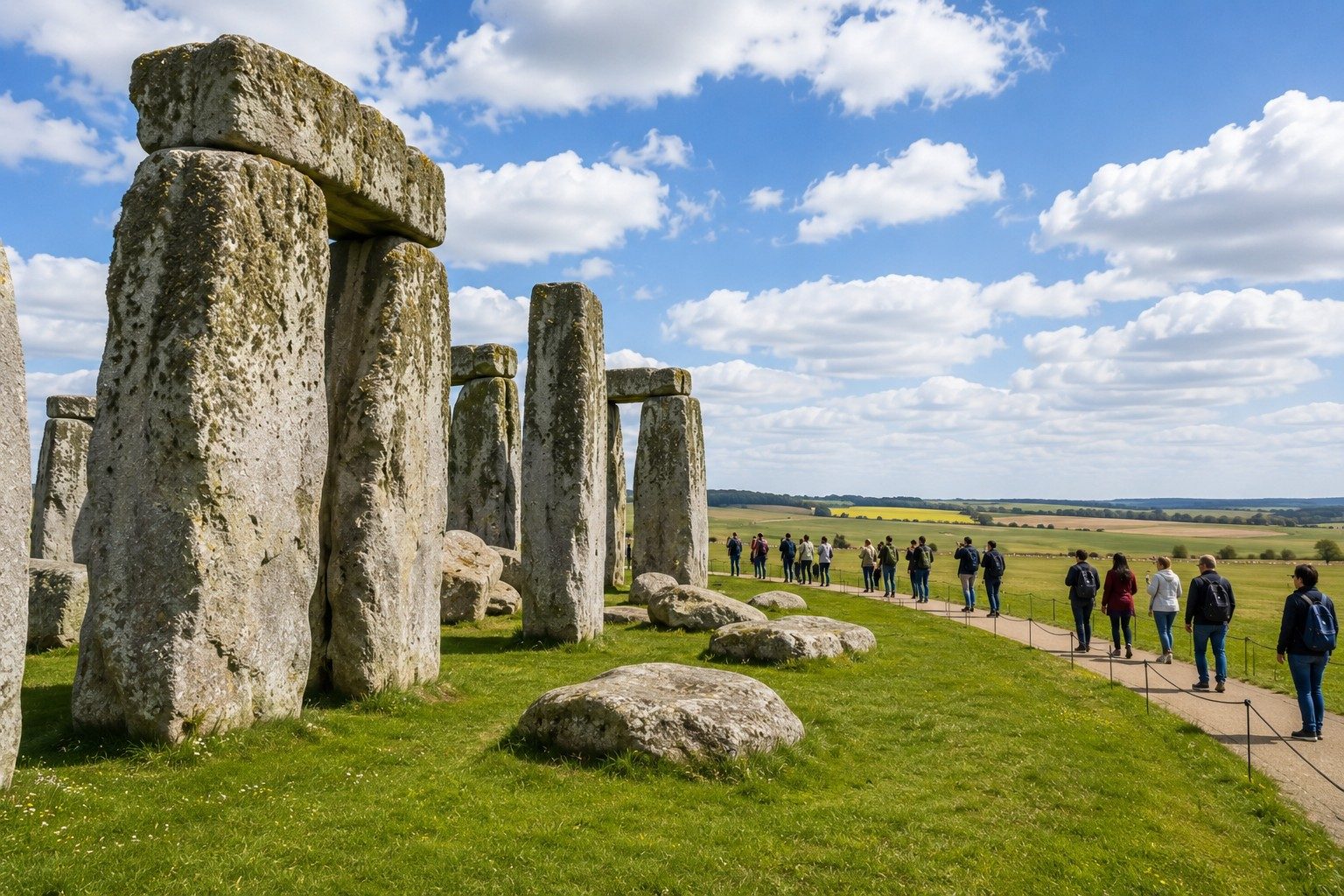
As you approach the site from the shuttle drop-off, look for elevation changes that allow for wider landscape compositions. This is a common location for those on a stonehenge tour from london who want to capture the monoliths within the surrounding grassy plain.
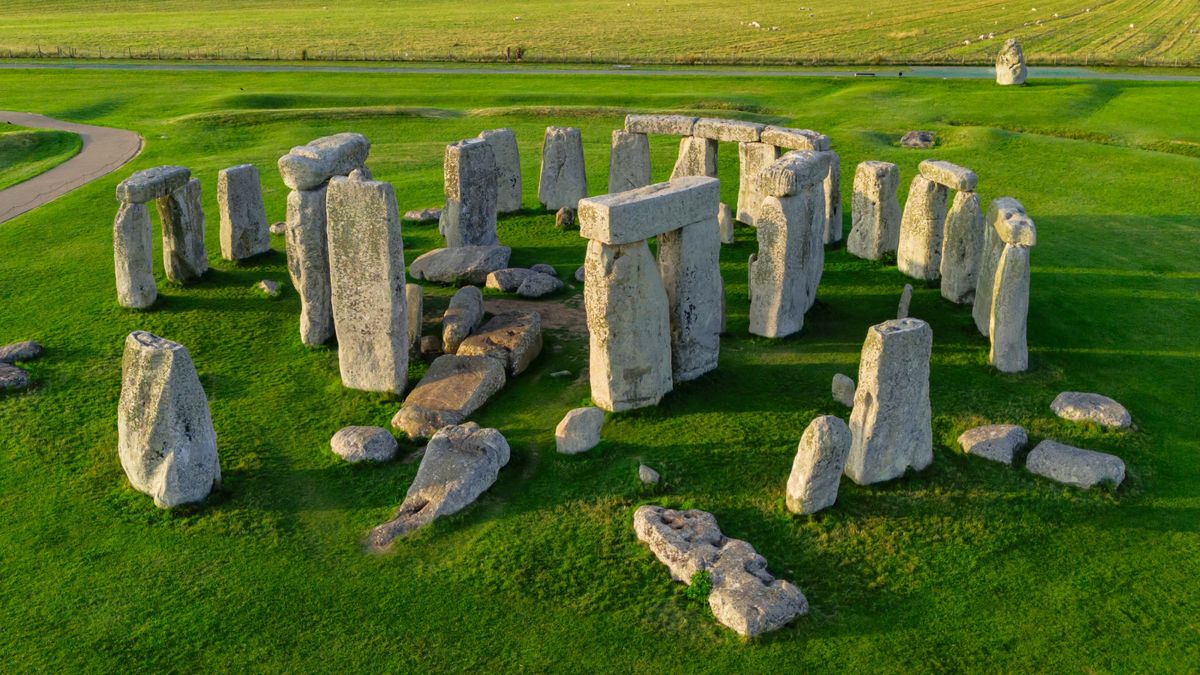
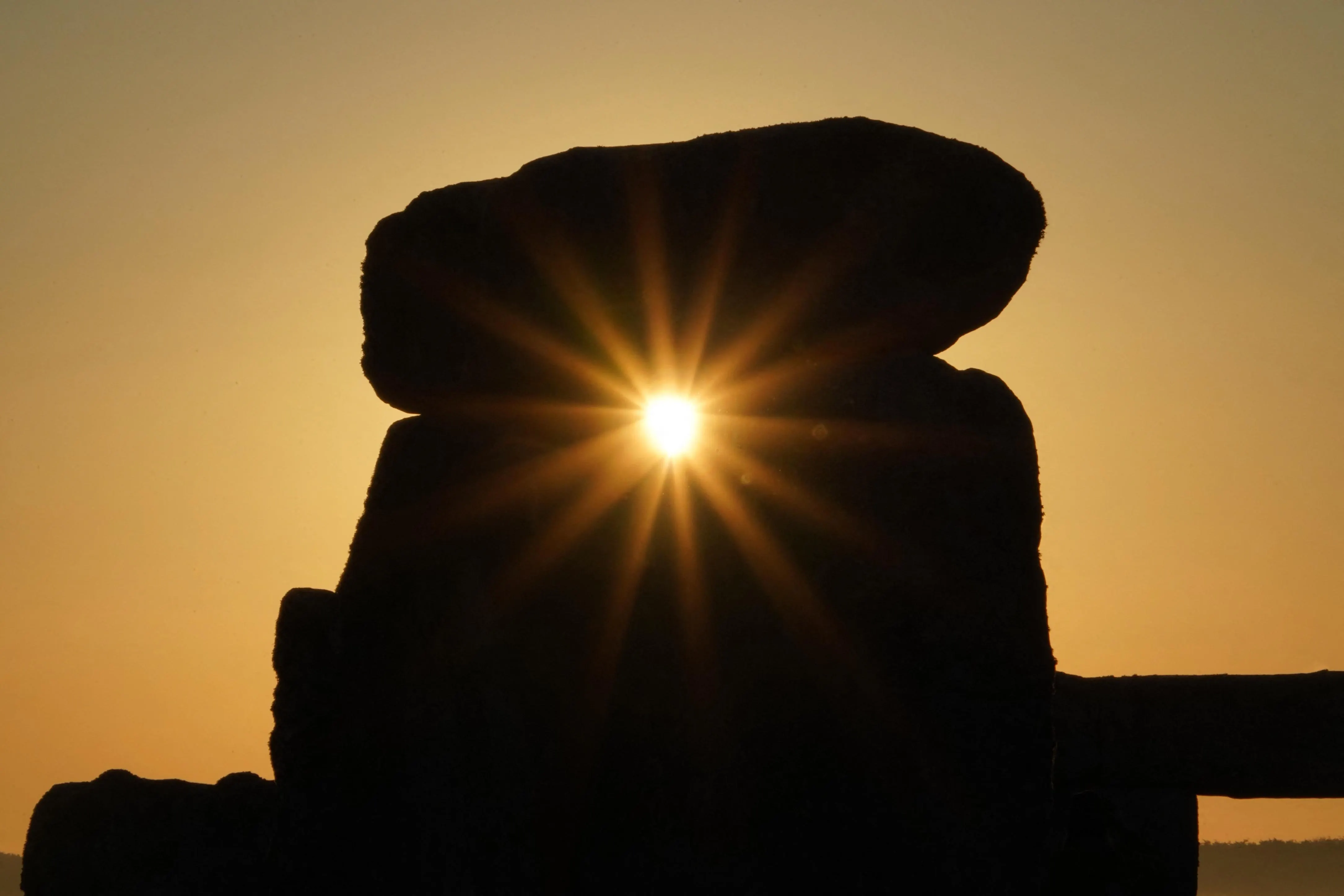
Locate the spot where the monument's axis points toward the sunrise to emphasize the archaeological precision of the stones. Please note that all photography must be conducted from the designated visitor track to respect the UNESCO heritage site boundaries.
Utilize the gaps in the vegetation along the outer path to create foreground interest using tall grass or wildflowers. This technique adds depth to your stonehenge tour from london tour images by layering natural elements in front of the prehistoric gray stones.
Real experiences from real travelers
We booked a stonehenge tour from london that departed at 7am and it was perfect timing. The site itself is smaller than you imagine from photos but standing next to those massive sarsen stones makes you feel the weight of history. Our guide explained the summer solstice alignment and pointed out tool marks still visible on the lintels. Arrive early if you can, the coach groups arrive mid-morning and the path gets crowded.
The journey from central London took about two hours through the English countryside. Stonehenge sits alone on Salisbury Plain with nothing around it for miles, which adds to the atmosphere. The audio guide provided good context about the bluestones transported from Wales. We spent roughly an hour walking the full circle path and visiting the reconstructed Neolithic houses near the entrance.
Booked stonehenge tour from london tickets through our hotel concierge and the whole experience was seamless. The stones are roped off so you walk a perimeter path about ten meters away, but the scale is still impressive. Light was beautiful in early June with long shadows stretching across the grass. The small exhibition hall has artifacts found during excavations including deer antler tools used to dig the ditches.
Tour included transportation and entrance which simplified logistics. The monument itself is fascinating but you only get about 90 minutes on site before the coach departs again. I would have liked more time to explore the visitor center exhibits which cover the broader Neolithic landscape. Still, seeing the trilithons in person is something you cannot replicate in books.
We chose an evening departure and reached Stonehenge around golden hour. The low sun lit the western faces of the sarsen stones in warm amber tones while the eastern sides stayed deep gray. Far fewer visitors than midday according to our driver. The monument has stood for 4500 years and you feel that permanence when the light changes and the stones seem to glow.
London to Stonehenge day trip gave us a half-day excursion without requiring an overnight stay. The drive passes through villages and farmland that feel remote compared to the city. Once at the site the audio guide explains theories about astronomical alignments and ritual use. The bluestone inner circle contrasts with the larger outer sarsens, each type of rock with distinct texture and color.
Secured stonehenge tour from london tours during peak summer and availability was tight even two weeks ahead. The monument is maintained by English Heritage and the pathways are well designed to manage foot traffic. Our guide mentioned that special access tours allow you inside the stone circle at dawn but those require separate advance reservation. Even from the standard path the engineering achievement is clear.
Took the direct coach service which includes admission and avoids the need to drive or navigate trains. Stonehenge stands in open farmland with skylarks singing overhead in summer. The heel stone outside the main circle aligns with sunrise on the longest day. Visitor facilities are modern and tucked below ground level so they do not compete visually with the monument.
Visited on a cloudy March morning and the gray sky suited the somber stone circle. The lintels are still in place on several trilithons, fitted with mortise and tenon joints carved from solid rock. After walking the monument we explored the Neolithic village reconstruction where you can enter the thatched houses. Transportation from London was comfortable and the whole trip took about six hours return.
Stonehenge tour from london gave us access to one of the world's most iconic prehistoric sites without the hassle of renting a car. The scale of the stones is hard to grasp until you are standing beside them, some weighing over 25 tons. Our visit coincided with perfect weather, blue sky and puffy clouds that moved quickly across the plain. The site has a gift shop and cafe near the entrance if you need refreshments before the return journey.
Everything you need to know for your journey
Stonehenge is open daily from 09:30–17:00. Please ensure your stonehenge tour from london departs with enough time to arrive within the 09:30–15:00 window for a full visit.
Yes, tickets purchased through official channels for a stonehenge tour from london typically allow for cancellation up to the day before your visit.
We recommend allowing at least 2 hours to fully explore the visitor centre, exhibitions, and the stone circle itself during your stonehenge tour from london.
Yes, you can bring small bags. Stonehenge allows standard backpacks, though large luggage should be avoided as space on the shuttle is limited.
There is no formal dress code, but we recommend dressing for the weather as Stonehenge is an exposed site on the Salisbury Plain.
We recommend arriving between 09:30–15:00. This helps you avoid the busiest midday crowds often encountered on a stonehenge tour from london.
Yes, families are very welcome. Stonehenge offers an educational experience that is suitable for all ages, making it a staple of any family-friendly stonehenge tour from london.
Yes, you always need a valid ticket for entry. Most operators of a stonehenge tour from london will include the 32 GBP gate price in their package, but always verify this.
Yes, personal photography is allowed. You are free to take pictures of the megaliths from the designated viewing path on your stonehenge tour from london.
The most common way to arrive is by train to Salisbury followed by the dedicated bus shuttle, which is the standard route for a stonehenge tour from london.
A prehistoric timber circle site with a similar historical context. Great for a quiet walk.
Convenient cluster of hotels located just minutes from the site.
Wide range of historic options in the nearby cathedral city.
Join thousands of happy travelers who have discovered this incredible experience
Book Your Experience Now